
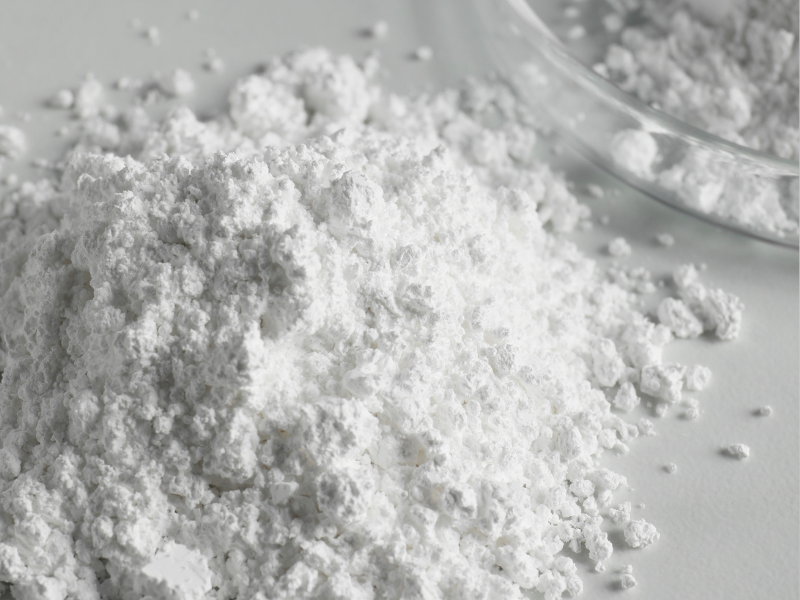
Zinc dust is a crucial material in the metal and manufacturing industries. Zinc price is widely used in various sectors, such as metal plating and the chemical industry. Global demand for this material is constantly changing according to market conditions.
Zinc Dust Price Is Affected by Global Zinc Prices
Zinc dust is known for its excellent anti-corrosion properties. This material is often used in galvanizing processes and in the manufacture of protective paints.
Consumers are aware that its price can be influenced by global zinc prices. Furthermore, fluctuations in exchange rates and production costs also play a role. Therefore, the price of this material can fluctuate quickly.
Determining Factors
One of the main factors influencing the price of zinc dust is the raw material itself. If the price of raw zinc rises on the international market, the zinc dust price tends to increase accordingly. This factor is related to higher production costs.
Another factor is demand from the construction and automotive sectors. When construction projects increase, the need for anti-corrosion coatings also increases. This can certainly drive up prices in the market.
Furthermore, energy and transportation costs also affect the final price. The zinc dust production process requires significant energy. It will then be distributed to various regions, adding to the cost components that must be taken into account.
Uses of Zinc Dust in Industry
Zinc dust is widely used in the steel coating industry. This material acts as a protective barrier against corrosion due to the zinc coating, which extends the metal’s lifespan.
Additionally, zinc dust is useful in the chemical industry as a reducing agent. Its role is quite effective in several production processes. Therefore, the quality and purity of the product are often primary considerations for consumers.
Furthermore, the paint industry also uses zinc dust as a primary component of anti-rust primers. Zinc-based paints provide additional protection to metal surfaces. Therefore, supply stability significantly impacts this sector.
Market Price Trends
The price of this material tends to follow global metal commodity price trends. If global demand increases, prices can increase. Conversely, an economic slowdown can depress market prices.
Furthermore, international trade policies also influence this. Export and import tariffs can alter the cost structure. Even certain geopolitical situations can trigger price spikes for zinc dust.
Industry players typically monitor market movements regularly. This price information is obtained from commodity reports and international metal exchanges. This step can assist in budget planning and raw material procurement.
Zinc dust are influenced by various economic and industry factors. Raw material prices, market demand, and production costs are the primary determinants. Therefore, with proper monitoring, the risk of price fluctuations can be managed more effectively.